Eco-Friendly Approaches: How E-Waste Recycling Services Are Preserving Our Planet
E-waste represents a considerable hazard to the environment, as disposed electronics frequently harbor hazardous substances. Such dangerous compounds can pollute soil and water supplies, leading to broader ecological damage. E-waste recycling services present a viable solution. They not only recover valuable resources but also mitigate pollution. Understanding how these services operate and their impact on communities is essential. The path to successful electronic waste management prompts vital discussions about personal accountability and communal efforts. What measures can be pursued from this point onward?
How E-Waste Is Hurting the Planet
Even though technology enriches our daily lives, electronic waste presents significant environmental threats. Disposed electronic equipment, frequently composed of hazardous materials such as lead, mercury, and cadmium, may release harmful substances into groundwater and soil, posing risks to human health and ecosystems. The accelerating rate of technological innovation results in increased consumer turnover of electronics, exacerbating the accumulation of e-waste.
Landfills, already overwhelmed with refuse, find it difficult to handle the increasing amounts of discarded devices. Incineration, another disposal method, releases harmful pollutants into the atmosphere, contributing to air quality Read the article degradation. In addition, improper recycling practices can lead to the exportation of e-waste to developing countries, where laborers may dismantle devices without adequate safety measures, exposing themselves to dangerous substances. This pattern of negligence and mismanagement highlights the critical demand for eco-friendly recycling alternatives that can reduce the damaging impact of electronic waste on the environment.
What Is E-Waste and Its Importance?
E-waste, or electronic waste, comprises unwanted electronic equipment such as televisions, computers, and smartphones that have exceeded their operational lifespan. This growing category of waste is significant because of its swift buildup, driven by technological advancements and consumer trends. With an increasing number of devices reaching obsolescence, the toll on the environment grows more severe, with harmful substances like lead, mercury, and cadmium presenting serious hazards to the environment and human well-being.
Addressing e-waste is crucial not only for reducing these dangers but also for acknowledging the precious materials found within it. Valuable metals and rare earth materials can be extracted and repurposed, lessening the demand for mining and preserving natural resources. Through a deeper awareness of e-waste and its consequences, both individuals and organizations can make well-informed choices regarding disposal and recycling, thereby supporting a more sustainable future. Effective handling of e-waste is vital for encouraging a circular economy and advancing environmental responsibility.
The Way E-Waste Recycling Functions
Recycling e-waste involves a systematic process intended to extract beneficial components while minimizing environmental impact. At the outset, discarded electronics are retrieved and sent to purpose-built recycling plants. Once there, the equipment is meticulously organized to separate hazardous components from recyclable materials.
After this step, workers take apart the devices, extracting plastics, metals, and glass. This stage is crucial, as it makes possible the retrieval of high-value metals like gold, silver, and copper, which can be recycled in modern electronics.
Following this, the separated materials are refined via state-of-the-art techniques, such as shredding and chemical treatments, to refine them for recycling.
Finally, the leftover hazardous waste is handled with responsibility, complying with eco-friendly standards. This systematic method not only preserves valuable resources but also mitigates the risks linked to unsafe e-waste handling, ensuring a more sustainable future for electronic consumption.
Advantages of E-Waste Recycling for You and Your Community
While many individuals may not realize it, the benefits of e-waste recycling reach well past personal use to meaningfully influence entire communities. By responsibly disposing of electronic waste, individuals contribute to a cleaner environment, minimizing toxic components that can leach into soil and water. This forward-thinking practice helps preserve local ecosystems and promotes public health.
Additionally, electronic waste recycling supports workforce growth within communities. Local recycling facilities often require personnel for numerous tasks, covering everything from collection to processing, consequently creating meaningful employment for community members. This not only boosts the local economy but also fosters community involvement in eco-friendly practices.
Moreover, awareness of e-waste recycling may result in community outreach programs, equipping residents to embrace sustainable practices. By taking part in e-waste recycling programs, individuals promote a culture of sustainability, inspiring others to follow suit. In summary, the cumulative impact of these actions can create a more robust and eco-friendly community.
Tips for Choosing an E-Waste Recycling Service
Selecting the best electronic waste recycling provider is crucial for making sure that electronic waste is processed with responsibility and sustainability. Initially, people should verify the service's credentials, such as R2 and e-Stewards certifications, which indicate compliance with established benchmarks for responsible recycling methods. It is equally important to evaluate the organization's credibility by checking reviews and obtaining recommendations from trusted sources.
Next, openness in the recycling process is crucial. A dependable service should provide clear information about the manner in which e-waste is managed and what becomes of the materials. Furthermore, assessing the variety of services available can be advantageous; certain providers may offer collection services or present rewards for recycling.
Finally, understanding local guidelines related to e-waste disposal can additionally influence the decision-making process. When these considerations are given priority, consumers can play a role in successful electronic waste reduction while also advancing green and responsible behaviors.
Ways You Can Participate in E-Waste Recycling?
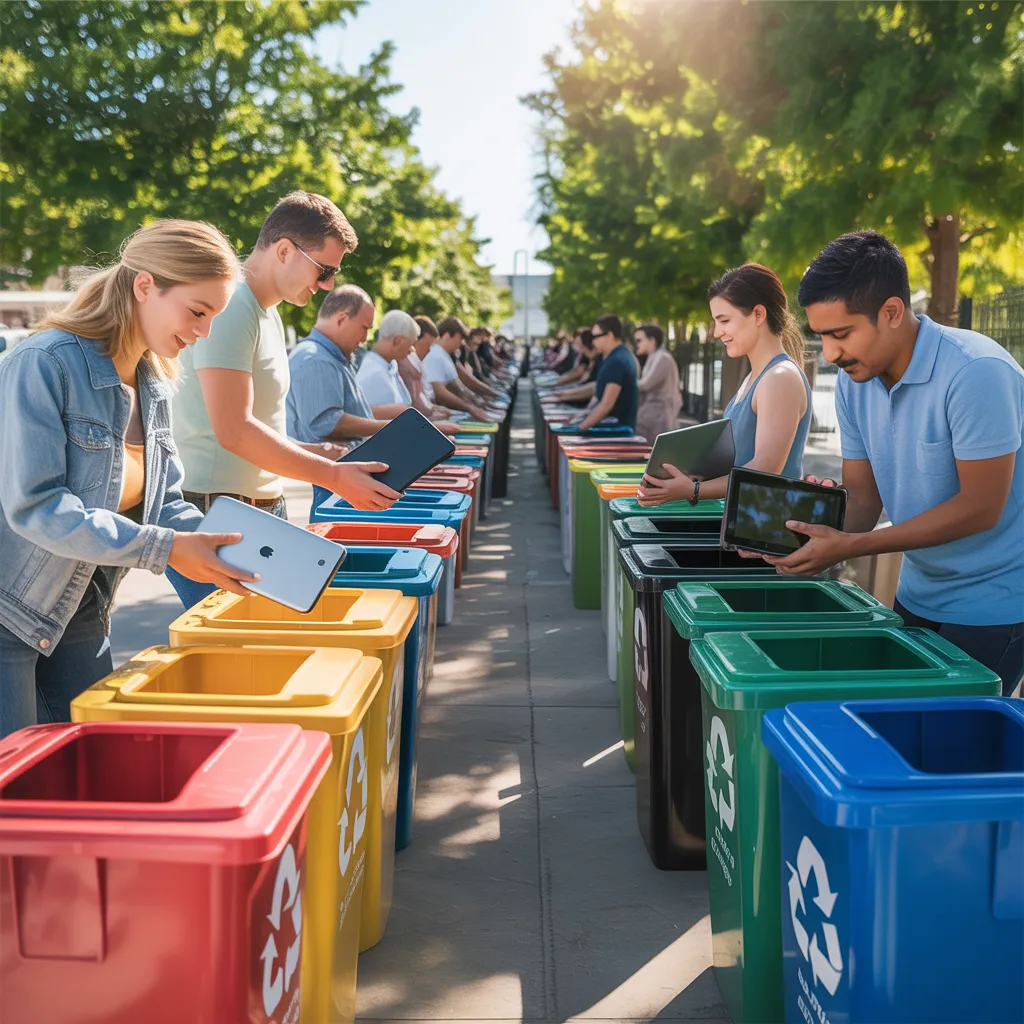
Getting involved with e-waste recycling can start at the local level, where local recycling facilities frequently offer essential services for proper disposal. Additionally, participating in community awareness campaigns can strengthen efforts to raise awareness about the importance of proper e-waste handling. These initiatives not only promote sustainability but also build a collective sense of accountability for the environment.
Community Recycling Locations
A wide range of neighborhood recycling stations perform an important function in electronic waste recycling, offering communities convenient opportunities to discard electronic waste in an eco-friendly way. These stations receive a wide array of electronic devices, including old computers, smartphones, and televisions, ensuring that harmful materials are handled safely. Most centers are equipped with qualified professionals who support individuals in understanding proper disposal practices, underscoring the benefits of recycling compared to landfilling. Additionally, numerous facilities provide organized drop-off opportunities or appointed collection periods, enabling residents to engage without difficulty. Through the use of these community services, individuals contribute to a circular economy, lowering environmental harm and encouraging sustainable habits. Partnering with these facilities enables communities to combat e-waste pollution successfully.
Community Outreach Campaigns
Community groups, educational institutions, and companies can work together to organize events that support e-waste collection drives. Community members can serve a critical function in promoting knowledge, handing out educational content, and interacting with the surrounding community. By means of these joint initiatives, local inhabitants gain greater awareness and encouragement to properly recycle their e-waste, ultimately contributing to a more sustainable future.
Answers to Your Most Common Questions
What Kinds of Electronics Can Be Recycled?
A wide range of electronics may be recycled, including smartphones, computers, laptops, televisions, printers, and gaming consoles. Additionally, peripherals such as batteries, keyboards, and mice are equally appropriate for recycling, contributing to efforts to conserve the environment.
Do Any Costs Come With E-Waste Recycling?
That's correct, electronic waste recycling can include costs, subject to the facility. Some facilities impose charges for collection or processing, while some providers provide no-cost solutions, typically funded by the sale of reclaimed components.
How Can Businesses Benefit From E-Waste Recycling?
Businesses can benefit from e-waste recycling by reducing disposal costs, improving their green reputation, meeting compliance standards, recovering valuable materials, and potentially generating revenue through resale, ultimately contributing to a more sustainable operational strategy.
What Happens to Data on Recycled Devices?
Information on recycled devices is often irretrievably wiped or destroyed during the refurbishment process. This ensures private details stays protected, preventing unauthorized access while enabling materials to be repurposed carefully and ethically in new products.
Are Broken Electronics Eligible for Recycling?
Yes, non-functioning electronics may be recycled. Numerous collection points receive non-functioning devices, guaranteeing responsible disposal and extraction of recoverable materials. Doing so helps minimize environmental impact while encouraging sustainable recycling habits to control electronic waste responsibly.