Sustainable Solutions: How E-Waste Recycling Services Are Saving Our Planet
E-waste poses significant threats to the environment, as abandoned electronic devices commonly carry harmful materials. Such dangerous compounds can pollute soil and water supplies, leading to broader ecological damage. E-waste recycling initiatives provide a practical answer. They serve the dual purpose of reclaiming precious materials and reducing contamination. Gaining insight into how these programs function and affect local communities is critical. Pursuing efficient e-waste management brings forth pressing questions regarding individual duties and shared responsibility. What actions should be considered going forward?
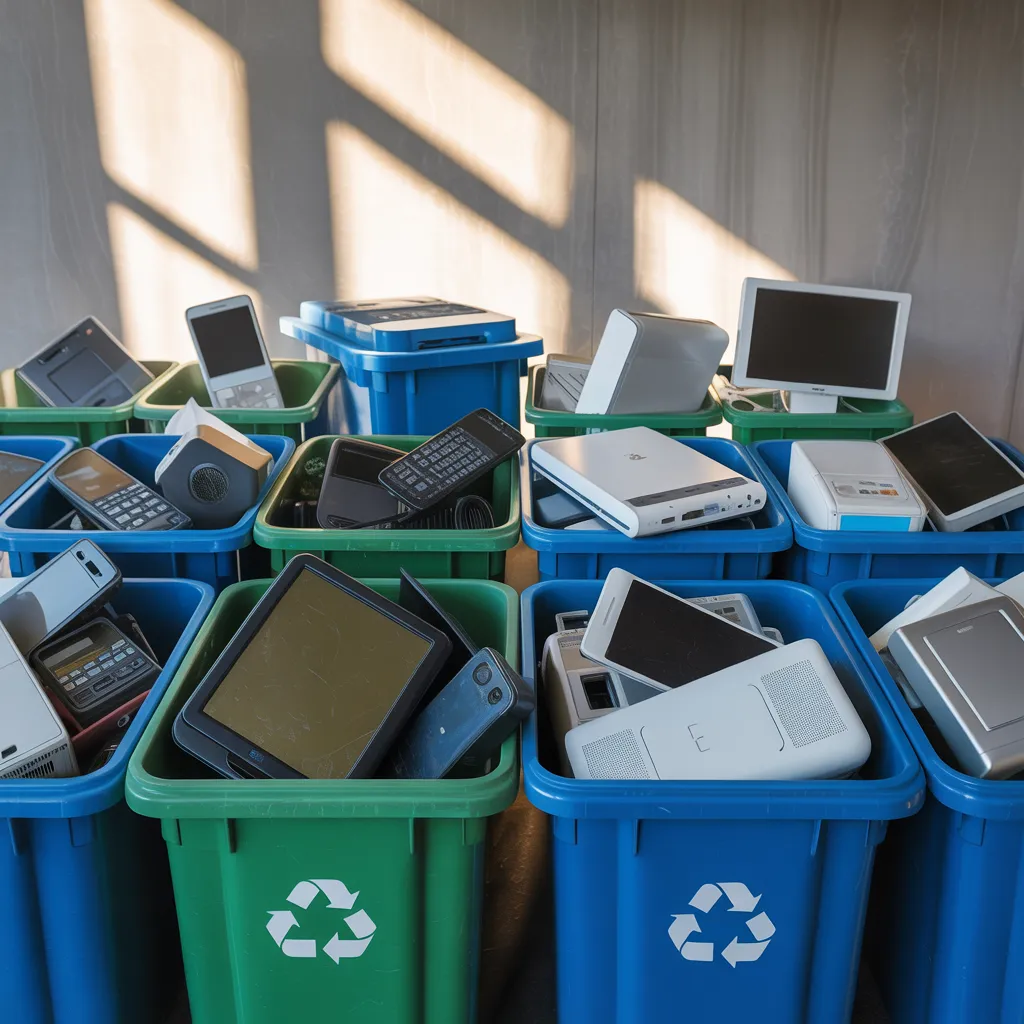
Why E-Waste Poses a Threat to the Planet
Although technological advancements improve our daily lives, electronic waste presents significant environmental threats. Abandoned electronic gadgets, often containing dangerous compounds like cadmium, lead, and mercury, may release harmful substances into groundwater and soil, presenting dangers to ecosystems and human health. The rapid pace of technological advancement results in higher rates of electronics disposal among consumers, intensifying the growing problem of electronic waste.
Landfills, already strained by waste, are unable to keep up with the rising quantities of abandoned electronics. Burning, an alternative disposal approach, discharges toxic contaminants into the air, worsening overall air quality. In addition, improper recycling practices can lead to the exportation of e-waste to developing countries, where laborers may dismantle devices without adequate safety measures, exposing themselves to dangerous substances. This ongoing cycle of carelessness and inadequate management emphasizes the pressing necessity for responsible recycling initiatives that can lessen the harmful consequences of e-waste on our world.
What Is E-Waste and Why Does It Matter?
E-waste, or electronic waste, includes unwanted electronic equipment including computers, smartphones, and televisions that have reached the end of their useful life. This growing category of waste is significant due to its rapid accumulation, fueled by innovation in technology and shifting consumer habits. As growing numbers of electronics become outdated, the toll on the environment grows more severe, with harmful substances like lead, mercury, and cadmium presenting serious hazards to the environment and human well-being.
The significance of tackling e-waste extends beyond minimizing these risks to recognizing the valuable resources it holds. Precious metals and rare earth elements can be recovered and reused, reducing the need for mining and conserving natural resources. By understanding e-waste and its implications, individuals and organizations can make informed decisions about disposal and recycling, ultimately contributing to a more sustainable future. Effective handling of e-waste is vital for encouraging a circular economy and advancing environmental responsibility.
How E-Waste Recycling Works
Recycling e-waste involves a structured approach intended to extract beneficial components while limiting ecological damage. At the outset, e-waste is collected and transported to dedicated processing centers. Once there, the devices undergo thorough sorting to separate hazardous components from recyclable materials.
Following this, workers dismantle the electronics, recovering metals, plastics, and glass. This stage is crucial, as it makes possible the reclamation of rare metals like gold, silver, and copper, which are repurposed in new electronic products.
Subsequently, the isolated materials are handled with cutting-edge techniques, such as shredding and chemical treatments, to purify them for further use.
In the final step, the leftover hazardous materials are disposed of responsibly, following environmental regulations. This systematic method not only preserves valuable resources but also reduces the dangers associated with improper e-waste disposal, securing a more eco-conscious future for the consumption of electronics.
Benefits of E-Waste Recycling for You and Your Community
Though many people are unaware, the positive effects of e-waste recycling extend beyond personal convenience to positively impact entire communities. By properly recycling electronic waste, individuals contribute to a safer environment, reducing toxic components that can contaminate soil and water. This responsible method works to protect local ecosystems and supports public health.
Moreover, electronic waste recycling supports workforce growth within communities. Regional recycling centers frequently need staff for a range of functions, spanning collection through processing, Try it free thereby providing employment opportunities within the community. This not only boosts the local economy but also fosters community involvement in eco-friendly practices.
Furthermore, understanding of e-waste recycling may result in learning opportunities, encouraging residents to make environmentally conscious decisions. By enrolling in e-waste recycling programs, individuals promote a culture of sustainability, encouraging others to embrace similar practices. In summary, the combined impact of these actions can result in a more sustainable and conscientious community.
How to Choose an E-Waste Recycling Service
Selecting the best e-waste disposal service is vital for guaranteeing that electronic refuse is handled with responsibility and sustainability. To begin, individuals should check the service's accreditations, such as R2 and e-Stewards certifications, which signify conformance to professional guidelines for responsible recycling methods. It's also important to evaluate the organization's reputation by checking reviews and obtaining recommendations from trusted sources.
Moreover, openness in the recycling process is crucial. A dependable service should supply straightforward details about the manner in which e-waste is managed and how the materials are utilized. Additionally, evaluating the range of services offered can be beneficial; some companies may provide pickup services or offer incentives for recycling.
Furthermore, understanding area-specific requirements for e-waste disposal can additionally influence the evaluation process. Through focusing on these key aspects, individuals can contribute to successful electronic waste reduction alongside encouraging environmentally responsible practices.
Ways You Can Participate in E-Waste Recycling?
Participating in e-waste recycling may begin at the local level, where community recycling hubs regularly supply essential services for proper disposal. Moreover, joining community awareness campaigns can amplify efforts to inform others regarding the importance of ethical e-waste practices. These initiatives not only promote sustainability but also cultivate a collective sense of stewardship of the environment.
Nearby Recycling Facilities
A wide range of neighborhood recycling stations play an essential role in electronic waste recycling, supplying communities with reliable ways to manage electronic waste appropriately. These centers accept a wide array of electronic devices, including used computers, handheld devices, and televisions, verifying that toxic materials are disposed of safely. Many hubs feature trained staff who support individuals in understanding proper disposal practices, emphasizing the importance of recycling over landfilling. Moreover, various hubs coordinate scheduled drop-off occasions or specific collection dates, enabling residents to engage without difficulty. By taking advantage of these neighborhood resources, community members advance a circular economy, lowering environmental harm and encouraging sustainable habits. Partnering with these facilities empowers communities to take action against e-waste pollution effectively.
Public Awareness Initiatives
Local organizations, schools, and businesses can work together to organize events that support e-waste collection drives. Volunteers can play a pivotal role in raising awareness, sharing informational resources, and connecting with local residents. Through these collective efforts, residents become more informed and motivated to recycle their electronic waste, thus playing a meaningful role in creating a more environmentally responsible future.
Questions We Often Receive
What Kinds of Electronics Can Be Recycled?
Various electronics are able to be recycled, including laptops, televisions, smartphones, printers, computers, and gaming consoles. Additionally, peripherals such as batteries, keyboards, and mice are well-suited for recycling, supporting efforts to conserve the environment.
Are There Fees Involved With E-Waste Recycling?
Yes, e-waste recycling sometimes comes with charges, subject to the service provider. Some service centers impose charges for pickup or handling, while some providers make services available at no charge, typically funded by the sale of reclaimed components.
How Do Businesses Gain From E-Waste Recycling?
Businesses can benefit from e-waste recycling by reducing disposal costs, enhancing their environmental image, meeting compliance standards, recovering valuable materials, and creating potential earnings via resale, thereby fostering a more environmentally responsible business approach.
What Occurs with Data on Recycled Devices?
Information regarding refurbished electronics is often irretrievably wiped or obliterated throughout the recycling process. This ensures sensitive information is kept safe, preventing unauthorized access while permitting materials to be repurposed carefully and ethically in new products.
Are Broken Electronics Eligible for Recycling?
Indeed, defective electronics may be recycled. A wide range of centers receive non-functioning devices, guaranteeing proper disposal and retrieval of precious materials. Doing so helps lower harm to the environment while fostering sustainable recycling habits to address electrical waste properly.